

From strategy to delivery: what next for the Local Area Energy Plan?
Author: Nick Bolton
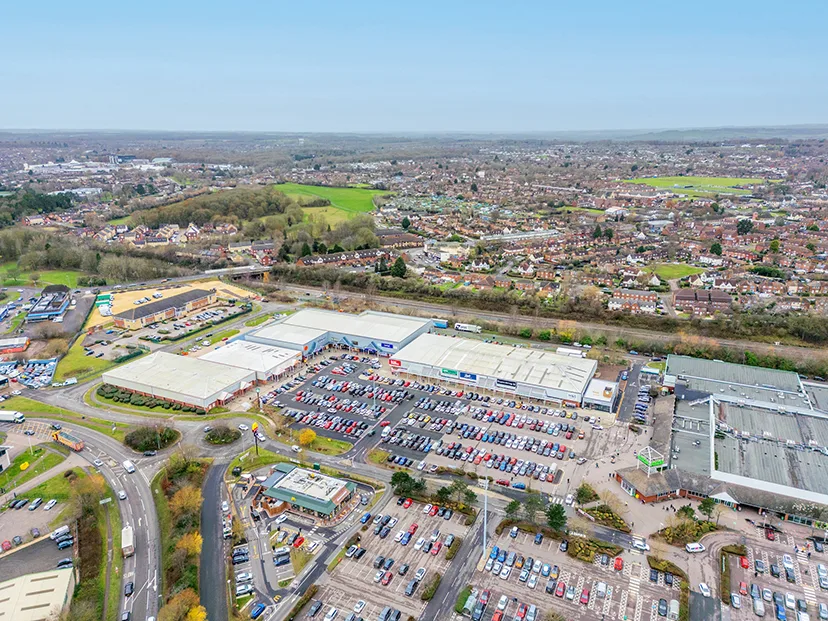
The publication of North Northamptonshire’s Local Area Energy Plan (LAEP) is an important milestone for the area.
Across the UK, local authorities, network operators, developers and communities are grappling with similar challenges. We know we need warmer homes, cleaner heat, more renewable energy, better electric vehicle infrastructure and a more resilient energy system.
The question is not what – it’s how.
This LAEP provides a clear and evidence-based foundation for the conversation in the area. It sets out a credible direction across retrofit and low carbon heat, EV infrastructure, local renewable generation and sets out the enabling infrastructure needed to support future growth.
Just as importantly, it focuses on objectives that are realistic and deliverable. The energy transition will only succeed if residents, businesses, developers and infrastructure partners have confidence that plans can be translated into meaningful outcomes. Lofty ambitions can sound admirable but will ring hollow if they are clearly unachievable.
Moving from strategy to place-based delivery
The next challenge for North Northamptonshire is one facing many places across the country: how to turn a strategic plan into programmes and projects that people will actually see and feel.
The strategy alone cannot provide this. What is needed now is for organisations and communities to work together around specific places to deliver against the challenges.
- That might mean creating area-based retrofit programmes that help households reduce energy costs while supporting local supply chains.
- It might mean ensuring that new housing and employment developments are designed around future energy needs from the outset rather than retrofitted later.
- It might mean identifying opportunities for local flexibility, energy storage and community-scale generation to help address network constraints and improve resilience.
The council has set out a visible framework that all these initiatives could sit within. So the vision exists – the greater challenge now is prioritising coordination, capacity and delivery.
Growth and energy can no longer be planned separately
North Northamptonshire is expected to continue growing, with significant housing and employment development planned across the area. That growth presents opportunities, but also raises important questions about energy infrastructure.
Historically, energy has too often been a late-stage afterthought in the planning process. However, in the modern energy ecosystem that approach is no longer viable. ‘Business-as-usual’ is not good enough; we need to lay the groundwork for innovative solutions at the earliest stages.
The electrification of transport and heating, growing energy demand and network constraints mean that energy infrastructure needs to be considered at the very outset of new place-making and economic development.
The North Northamptonshire LAEP provides an opportunity to structure the right conversations. By aligning growth plans with energy planning, the local authority, developers and network operators can create places that are more resilient, more attractive for investment and better prepared for future demands.
Making the transition work for everyone
One of the most important aspects of any local energy transition is ensuring that its benefits are widely shared.
For many households, the energy transition is not primarily a discussion about carbon emissions. It is about affordability, comfort and security. Similarly, for businesses it is often about managing costs, improving competitive advantage and navigating uncertainty.
This is why delivery matters so much. Well-designed local programmes offer genuine potential to reduce bills, improve homes, strengthen local supply chains and support economic resilience alongside decarbonisation objectives.
With tangible benefits, confidence grows. Where confidence grows, momentum will follow. That is particularly important in areas where fuel poverty remains a genuine concern and where rising energy costs continue to affect communities and businesses alike.
Building delivery partnerships
It’s clear that no single organisation will deliver the energy transition alone. The places making the greatest progress are those that recognise delivery as a collective endeavour.
- Local authorities offer leadership and convening power.
- Distribution network operators bring essential expertise on infrastructure and capacity.
- Developers, technology providers and innovators help bring new solutions to market.
- Community organisations provide the trusted local relationships needed to engage residents and businesses effectively.
The North Northamptonshire LAEP creates a platform for collaboration – the opportunity now is to build upon that with a small number of practical, place-based programmes that demonstrate what success looks like and thereby create momentum for wider change.
The work starts now
So yes, developing the Local Area Energy Plan is a significant achievement. It has required evidence gathering, stakeholder engagement and difficult choices about priorities.
But plans are ultimately valuable because of what they enable. This publication is not the conclusion of a process, but the start of the next – most meaningful – chapter.
The harder and more important work lies ahead: translating strategy into projects, projects into outcomes, and outcomes into lasting benefits for communities, businesses and the local economy. Plus a template for others to follow.
North Northamptonshire now has a solid foundation – we’re excited to see how it can be built upon.
If you’d like to learn more about how Electric Places can help build upon local area energy strategies, take a look at our case studies – and specifically the NN2NZ and Condor projects. Or, of course, drop us a line of give us a call.