

A clear, costed pathway to zero operational carbon for Leicester's largest entertainment venue
-
Project NameMorningside Arena Decarbonisation Strategy
-
RoleLead consultant; energy audit, GHG baseline analysis, strategic decarbonisation planning
-
PartnersLeicester Community Sports Arena Limited (client)
-
Funded ByClient commission
-
LocationMorningside Arena, Leicester
-
TimescaleAudit conducted September 2022; report delivered December 2022
Test video
The Challenge
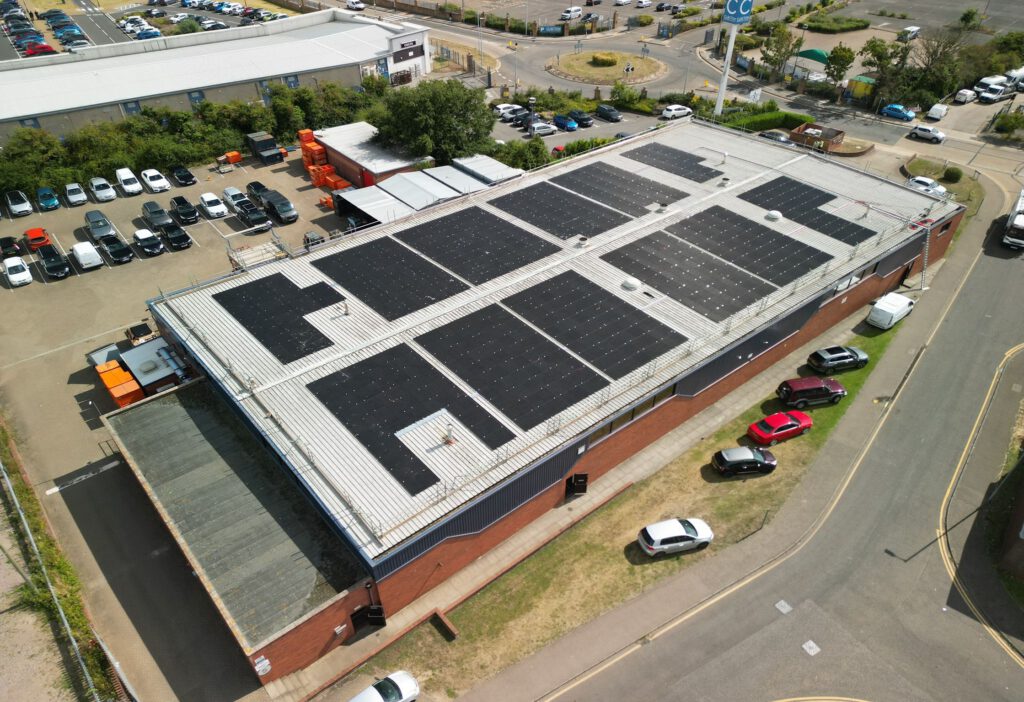
The Morningside Arena – Leicester’s largest indoor venue for sport, music, events and conferences – already had meaningful sustainability credentials, including the largest rooftop solar installation on any building in the city. But with a carbon footprint of around 2,338 tonnes of CO2e per year and gas heating still at the core of its operations, a significant gap remained between ambition and reality. Without a structured, sequenced plan, investment decisions risked being poorly timed, inefficient or ultimately insufficient to meet the arena’s own targets and Leicestershire’s broader goal of becoming a low-carbon county by 2045.
What we did
Electric Places was commissioned to develop a strategic decarbonisation plan for the arena, based on an on-site energy audit and broader sustainability review. We established a clear scope 1 and 2 emissions baseline and identified the major contributors to scope 3 emissions to inform future action. We then developed a phased retrofit strategy – sequenced to maximise the impact and cost-efficiency of each intervention – progressing through energy efficiency improvements to existing systems, insulation and waste heat recovery, expanded onsite renewable generation and, as a last resort, low-level offsetting for residual emissions. The strategy demonstrated that with the right interventions — particularly transitioning from gas to electric heating — the arena could credibly reach zero operational carbon by 2035.
Outcomes
The report delivered a clear, actionable roadmap with recommended next steps, timing for major equipment replacements and cost estimates. It identified relevant funding streams to support larger capital investments and gave the arena the evidence base needed to make confident, well-sequenced decisions on its path to genuinely energy-resilient operation.